
Introduction
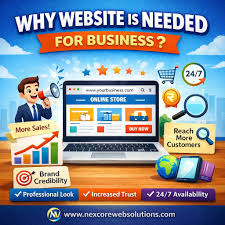
In today’s digital-first world, having a website is no longer a luxury—it’s a necessity. After working in digital marketing for over a decade, I can confidently say that in 2026, your website is the foundation of your online presence. Whether you’re a small business owner, freelancer, or building a personal brand, your website acts as your digital home.
Social media platforms may come and go, algorithms may change, but your website is the only platform you truly own and control.
What is a Website in Today’s Context?
A website in 2026 is more than just a collection of web pages. It is:
- Your online identity
- A 24/7 marketing tool
- A sales machine
- A brand-building platform
It’s where your audience learns about you, trusts you, and ultimately decides to do business with you.
Why a Website is Important in 2026
1. Your Digital Identity
Your website is the first place people go to verify your credibility.
Imagine someone hears about your brand and searches for you online—what will they find?
If you don’t have a website, you risk losing trust instantly.
A professional website shows that you are serious, reliable, and here to stay.
2. You Own Your Platform
Unlike social media platforms, your website is completely under your control.
- No algorithm changes
- No sudden account bans
- No limitations on reach
In 2026, relying only on platforms like Instagram or other apps is risky. A website ensures stability and long-term growth.
3. Available 24/7
Your website works even when you’re not.
It can:
- Answer customer queries
- Showcase your products/services
- Generate leads
- Make sales
This makes it one of the most powerful assets for any business.
4. Builds Trust and Credibility
People trust businesses with websites more than those without.
A well-designed website with:
- Clear information
- Testimonials
- Portfolio or case studies
helps build confidence in your audience.
In a competitive market, trust is what converts visitors into customers.
5. Essential for SEO and Visibility
If you want to appear on search engines, you need a website.
Without a website, you miss out on:
- Organic traffic
- Google rankings
- Potential customers searching for your services
Your website is the backbone of your SEO strategy. It helps people discover you naturally.
6. Showcases Your Brand Professionally
Your website is where you can fully express your brand.
You can control:
- Design and layout
- Content and messaging
- User experience
This allows you to create a strong and consistent brand identity that stands out.
7. Increases Conversions and Sales
A well-optimized website is not just informative—it’s persuasive.
With the right structure, you can:
- Guide users through a journey
- Capture leads
- Convert visitors into paying customers
In 2026, websites are designed to drive results, not just look good.
8. Supports All Marketing Channels
Every digital marketing strategy leads back to your website.
- Social media → Website
- Ads → Website
- Email marketing → Website
Your website acts as the central hub where all traffic is directed and converted.
9. Data and Insights for Growth
With a website, you can track user behavior and improve your strategy.
You can analyze:
- Visitor traffic
- User behavior
- Conversion rates
- Popular content
These insights help you make smarter business decisions.
10. Competitive Advantage
Your competitors already have websites—or are building one.
If you don’t, you’re automatically at a disadvantage.
But if you invest in a strong website, you can:
- Stand out
- Attract more customers
- Build a stronger online presence
Key Features Every Website Must Have in 2026
To stay relevant, your website should include:
1. Mobile-Friendly Design
Most users browse on mobile devices. Your website must look and work perfectly on all screen sizes.
2. Fast Loading Speed
Users won’t wait. A slow website leads to higher bounce rates and lost opportunities.
3. Clear Navigation
Visitors should easily find what they’re looking for without confusion.
4. Strong Call-to-Actions (CTAs)
Guide users on what to do next:
- Contact you
- Buy a product
- Book a service
5. High-Quality Content
Content should be valuable, engaging, and relevant to your audience.
6. Secure and Reliable
A secure (HTTPS) website builds trust and protects user data.