
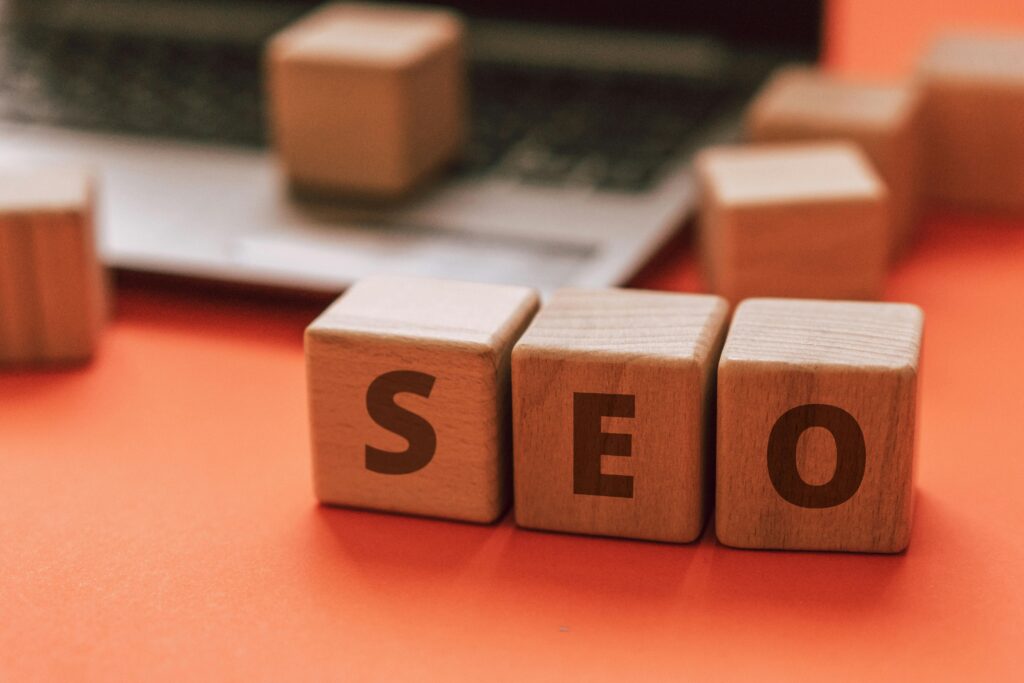
What is SEO and Why It Is Important in 2026
Introduction If you’re running a website in 2026 and still thinking SEO is optional, you’re already falling behind. Over the past decade, I’ve seen digital marketing evolve from keyword stuffing to a sophisticated ecosystem driven by user intent, AI, and experience. Today, Search Engine Optimization (SEO) is not just about ranking higher—it’s about staying relevant, visible, and competitive in an increasingly crowded digital space. In this blog, I’ll break down what SEO really means in 2026 and why it has become more important than ever for businesses, creators, and brands. What is SEO? SEO (Search Engine Optimization) is the process of optimizing your website to improve its visibility on search engines like Google. The goal is simple: when someone searches for something related to your business, your website should appear at the top of the results. However, SEO in 2026 is no longer limited to keywords and backlinks. It now includes: SEO is a combination of technical improvements, content strategy, and authority building that helps your website gain organic (free) traffic. How SEO Has Evolved Over the Years SEO has gone through massive changes. Earlier, ranking a website was as simple as adding keywords multiple times. But search engines have become smarter. Here’s how SEO has evolved: 1. From Keywords to Intent Search engines now understand why a user is searching, not just what they type. 2. Rise of AI and Machine Learning Search engines use AI to deliver personalized and accurate results. Content must now be meaningful, not just optimized. 3. Voice and Visual Search People are searching using voice assistants and images, making SEO more dynamic. 4. User Experience Matters Websites that load faster, look better, and are easy to navigate rank higher. Why SEO is Important in 2026 1. Organic Traffic is Still King Paid ads can bring traffic, but they stop the moment you stop spending. SEO, on the other hand, brings consistent, long-term traffic without ongoing costs. A well-optimized website can generate leads and sales 24/7. 2. Builds Trust and Credibility Users trust websites that appear on the first page of search results. Ranking high signals authority, reliability, and relevance. In 2026, trust is everything. If your website doesn’t appear in search results, users may question your legitimacy. 3. AI Search is Changing the Game Search engines are now powered by AI, which means they prioritize: If your content doesn’t provide value, it won’t rank—no matter how optimized it is. 4. Better User Experience = Better Rankings SEO now focuses heavily on user experience. Factors like: directly impact your rankings. A smooth user experience not only helps SEO but also increases conversions. 5. Voice Search is Growing Rapidly With the rise of voice assistants, people are searching in a more conversational way. For example:Instead of typing “SEO importance,” users might say,“Why is SEO important for my business in 2026?” This shift requires content that answers questions naturally and clearly. 6. Competitive Advantage No matter your industry, your competitors are investing in SEO. If you ignore it, you’re giving them a free advantage.If you invest in it, you stay ahead. SEO is no longer optional—it’s a necessity for survival. 7. Local SEO Drives Real Customers For businesses targeting specific locations, local SEO is crucial. Optimizing for local searches helps you: In 2026, local intent searches are stronger than ever. 8. Long-Term ROI (Return on Investment) SEO is one of the highest ROI marketing strategies. While it takes time to see results, the long-term benefits include: Unlike paid ads, SEO keeps working even when you’re not actively investing daily. Key Elements of SEO in 2026 1. High-Quality Content Content is still the backbone of SEO. But now it must be: Thin or copied content simply won’t work anymore. 2. Technical SEO This includes optimizing the backend of your website: Technical issues can block your rankings, even if your content is great. 3. On-Page SEO This involves optimizing individual pages: It helps search engines understand your content better. 4. Off-Page SEO Building authority outside your website: The more credible your website appears, the higher it ranks. 5. User Experience (UX) Search engines prioritize websites that users love. This includes: Good UX keeps users on your site longer, which improves rankings.